
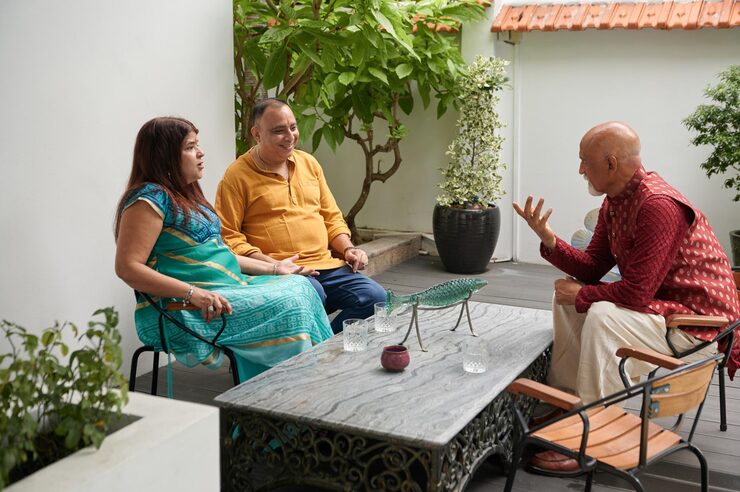
Senior Living in India is undergoing a major transformation. In the last five years, investment in retirement homes has grown rapidly, with estimates suggesting over ₹72,000 crore entering the market. This surge shows that elderly housing is no longer a niche concept but a growing need for millions of families.
According to industry data, about 34% of new senior living projects are now being developed in mid-sized cities, while the rest are spread across metro and non-metro areas.
How Much Do Retirement Homes Cost?
Senior living homes in India come in a wide range of price brackets. Depending on the city and facilities, monthly rents range from ₹25,000 to ₹1,00,000. In smaller cities like Dehradun and Coimbatore, buyers can purchase 1–2 BHK senior living apartments priced between ₹25 lakh and ₹80 lakh.
This affordability in non-metro locations has made retirement homes more accessible to middle-class families who want comfort, safety, and care for their elderly members.
Where Are Most Senior Living Projects Located?
The southern part of India is leading the way in senior housing. Reports suggest that 68% of new senior living projects are in South India, with cities like Bengaluru, Chennai, Coimbatore, Hyderabad, and Kochi emerging as major hubs.
In comparison:
- North India has 11% of projects.
- West India has 21%.
- East India has fewer but steadily growing developments.
Interestingly, 62% of retirement home projects in Central and Eastern India are located in non-metro cities, reflecting demand from smaller urban centers.
What Do Seniors Want in a Retirement Home?
Elderly people in India today are more vocal about their needs. Surveys show that:
- 70% of seniors prefer staying close to their children or in familiar surroundings.
- 21% value medical facilities like 24×7 doctors, pharmacies, and emergency care within the campus.
- Comfort and security rank high, with many seniors preferring gated communities, daily assistance, and companionship.
- Recreational facilities such as wellness centers, hobby clubs, and cultural spaces are also in demand.
This shift indicates that retirement homes are no longer seen only as healthcare spaces, but as lifestyle communities for active ageing.
Why Mid-Sized Cities Are Becoming Popular
Cities like Dehradun, Mysuru, Coimbatore, and Bhubaneswar are witnessing a rise in senior living projects. These locations offer:
- Cleaner and calmer environments compared to metros.
- Lower property costs, making homes more affordable.
- Better community bonding and cultural familiarity.
- Access to healthcare facilities without the chaos of large cities.
As a result, non-metro cities are becoming attractive retirement destinations for India’s elderly population.
Conclusion: A New Era for Senior Living in India
With India’s ageing population growing rapidly, senior living is set to become one of the fastest-growing real estate and social care sectors. From luxury retirement villas to affordable senior apartments, options are expanding to match diverse needs.
The rise of retirement homes in both metros and mid-sized cities reflects a cultural shift—families want their elderly to live with dignity, security, and companionship.
For NGOs and communities working in elderly care, this trend offers an opportunity to collaborate with developers, create awareness, and ensure that senior citizens in India not only live longer but also live better.